
After writing my last blog, I was expecting someone to ask, “How can you design for a tsunami?” In California we have been designing buildings to resist earthquakes since 1930’s. Over the years our building codes have evolved and improved, based on engineering research and observations of what did and did not work in the previous earthquakes. However, designing buildings for a tsunami is rather new.
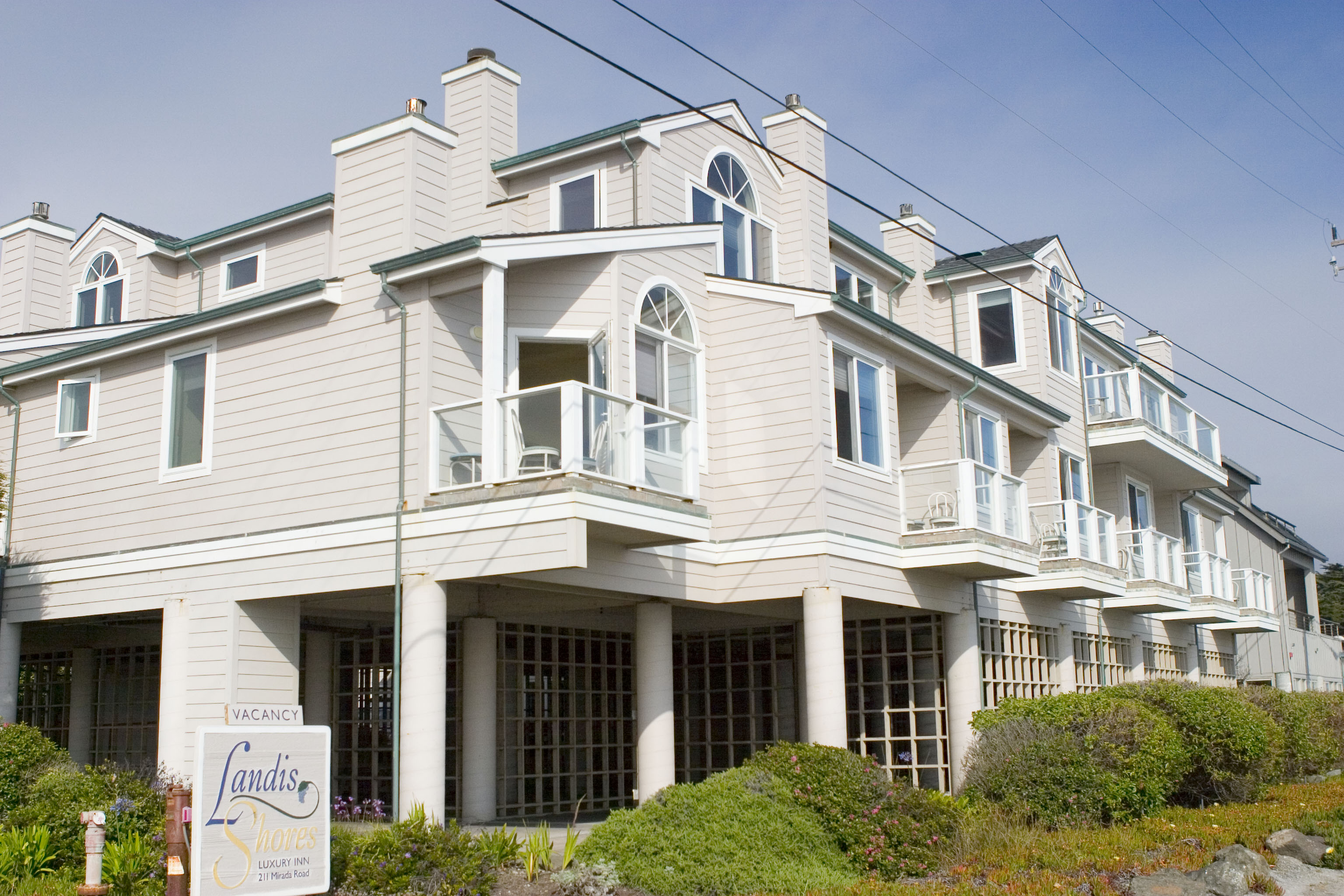
As a structural engineer, I had the opportunity to design only one building for tsunami-induced loads: the building shown in these two pictures. It is an ocean-front “bed & breakfast” hotel in Half Moon Bay, California. The Architect is Robert A. Williams. To my knowledge, this hotel was the first building ever to be designed for tsunamis in Half Moon Bay. The design approach was to raise the whole hotel above the existing maximum wave height using reinforced concrete columns. The lattice work enclosing the first level is designed to break when hit by the waves so that they do not create drag-loads on the building.
As far as being prepared for earthquakes and its aftereffects, this building is one of the few that is prepared to the extent possible, and it should survive a tsunami without significant damage. I said “to the extent possible” and “should” not because I am hedging my words, but because we design buildings in consideration of economic restraints to withstand the maximum loads that can reasonably be anticipated during their useful lives. But again, that is all we can do, and in this case it is far better than many other buildings along the same shoreline.



 BoomereseBlog
Good question. http://calogeromira.wordpress.com