
A few weeks ago I had an opportunity to visit the Hagia Sofia (Aya Sofya) in Istanbul, Turkey. Built originally as a church in the 4thCentury by a Roman Emperor, it was damaged by earthquakes and fires over the centuries, and it was repaired, restored, and rebuilt several times by various Roman and Byzantine emperors. In 1453 it was converted to a mosque by (Fatih) Sultan Mehmet II, the Ottoman Sultan who conquered the City from the Byzantines. Mustafa Kemal Ataturk, the founder and then president of the current Turkish Republic converted it to a museum in 1935. It is now open to all visitors to observe its magnificent architecture, construction, and its Christian mosaics along with its Islamic decorations and Calligraphy.
During the period between 1566 and 1577, Hagia Sofia was strengthened to better resist earthquakes by the Ottoman Architect (Mimar) Sinan, who added massive exterior buttresses to brace the structure. Sinan is said to be the first Earthquake Engineer, and the strengthening of Hagia Sofia the first seismic retrofitting project.
I also visited the Chora Church in Istanbul, which is also a museum now (Kariye Muzesi). It is much smaller than Hagia Sofia, but it has a similar architecture and construction. Its walls, arches, and domes are covered with fascinating mosaics and icon paintings. It was very interesting to observe, however, that it had the same exterior buttresses as the Hagia Sofia.
I have not found any information indicating when the earthquake-resisting buttresses of the Chora Church were built, whether they were indeed retrofitted, and if Sinan was indeed the earthquake engineer responsible for this project as well; there seems to be less information available on Chora Church than Hagia Sofia. Never the less, the seismic reinforcements have worked very well for both of these structures as they have survived at least 450 years without any apparent earthquake damage. My greatest admiration goes to Sinan (and any other earthquake engineer) who designed and constructed these projects using only brick, stone, and mortar without having any knowledge of advanced structural or soils mechanics or analyzing “finite element models” of these complex structures with advanced structural analysis software on super computers (or their lap-tops)!

- A general view of Hagia Sofia. The buttresses that brace it for earthquakes are on each side of the central dome structure (perpendicular to the plane of the picture).

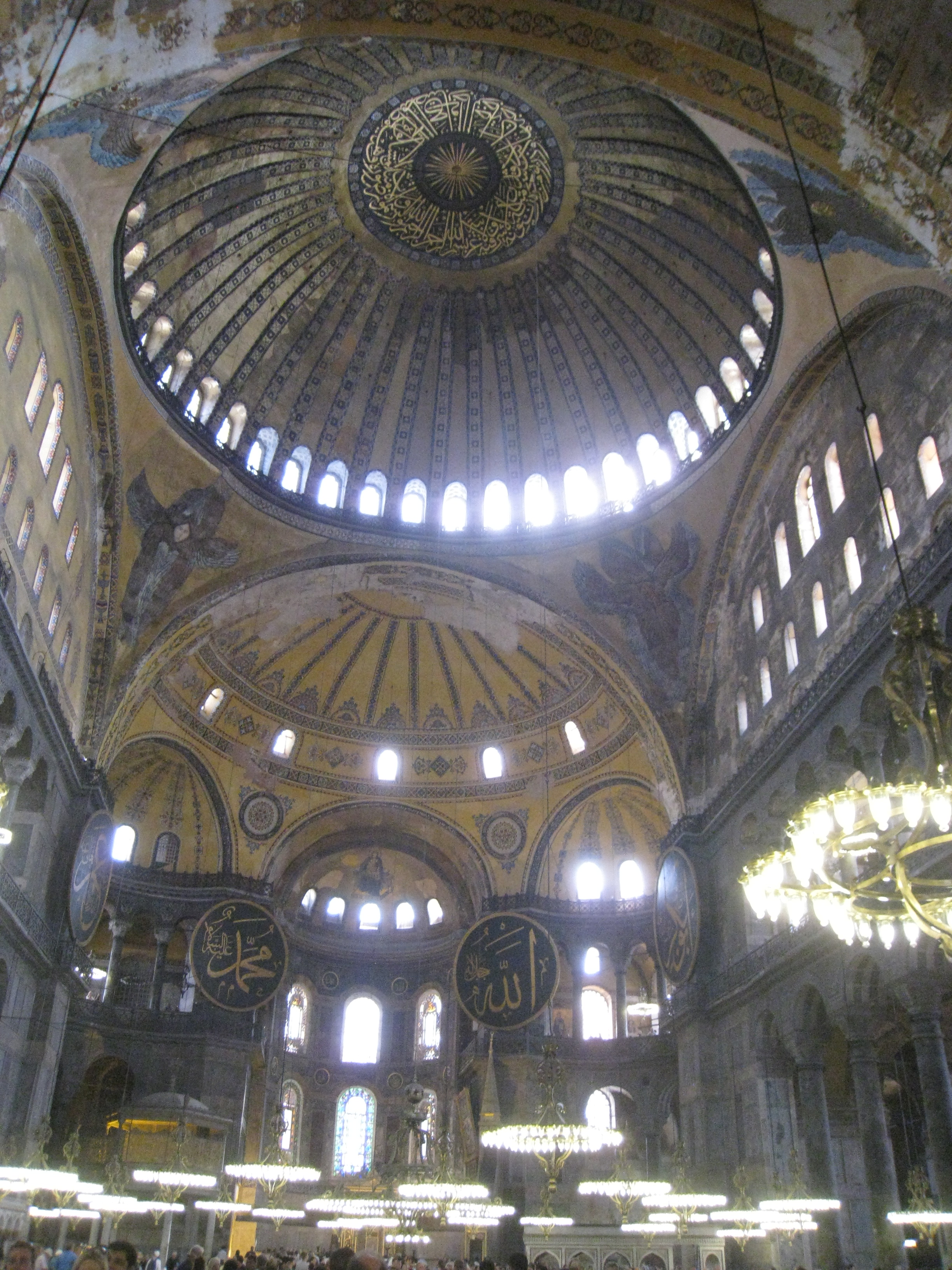
An inside view of the Hagia Sofia.

Buttresses on the oppposite side of those shown in the first picture.
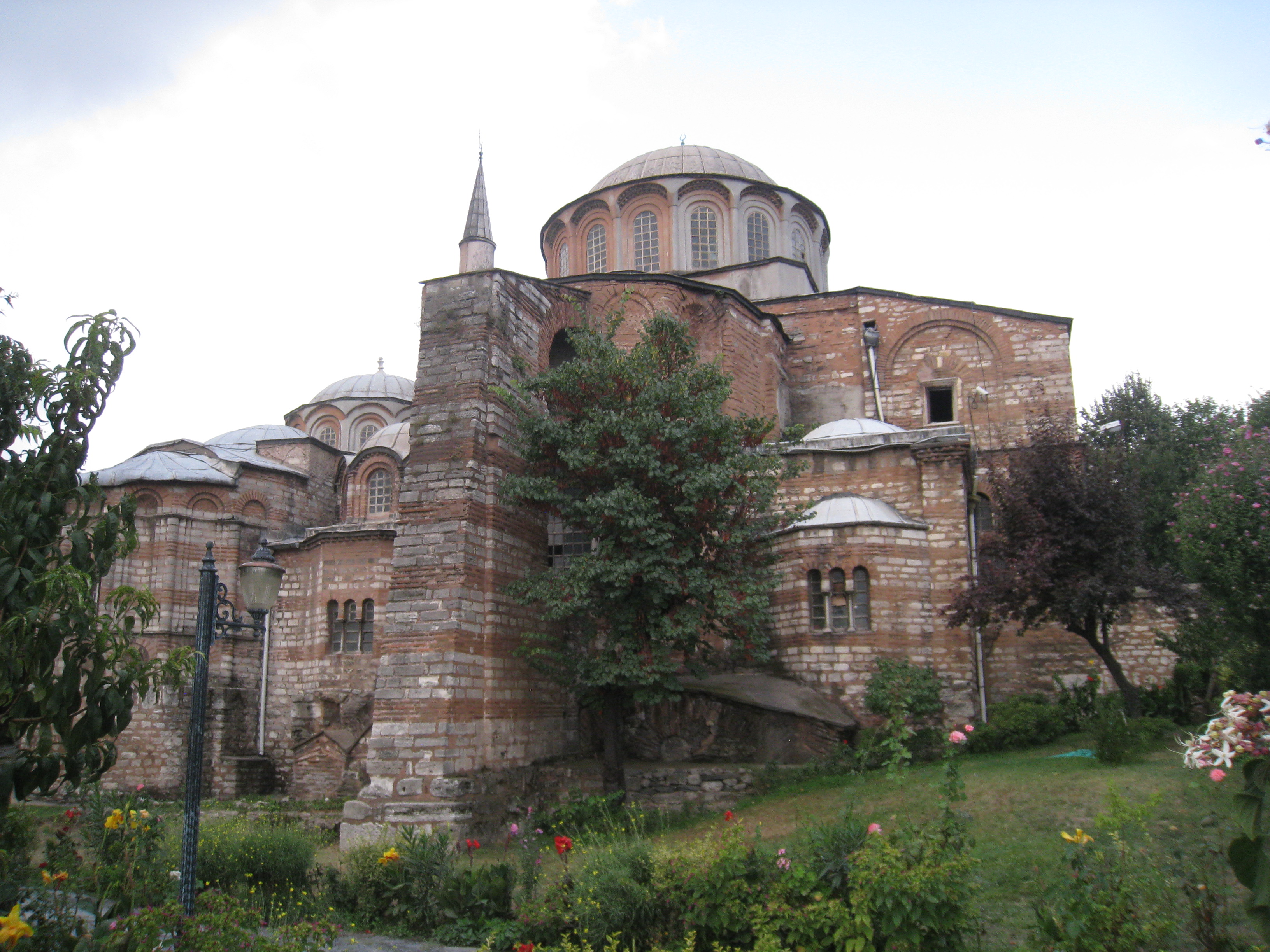
The Chora Church. Note the buttress in the forefront.
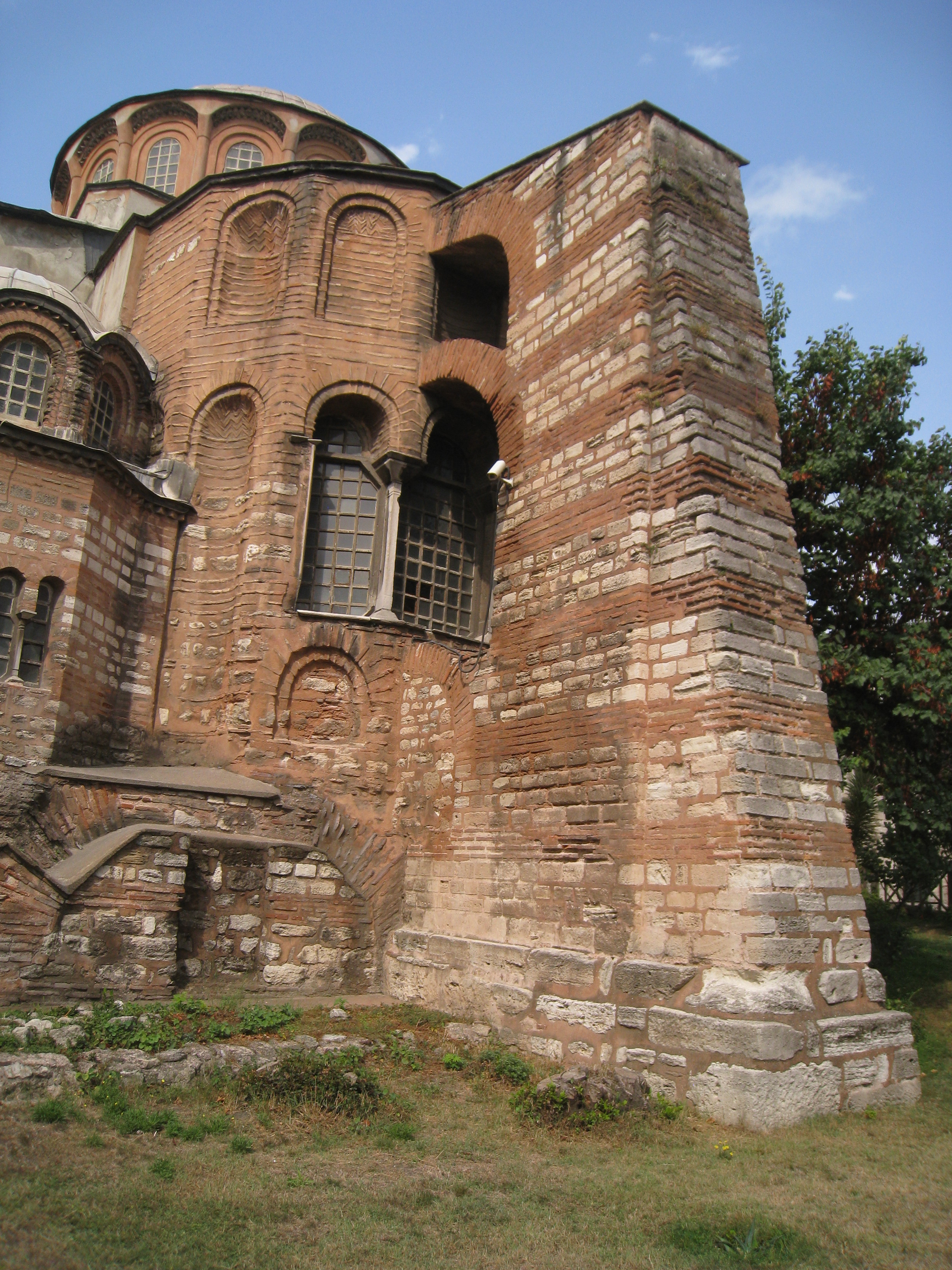
A close-up of the buttress that braces the Chora Church against earthquakes. Note its similarity to buttresses that brace Hagia Sofia.



 BoomereseBlog